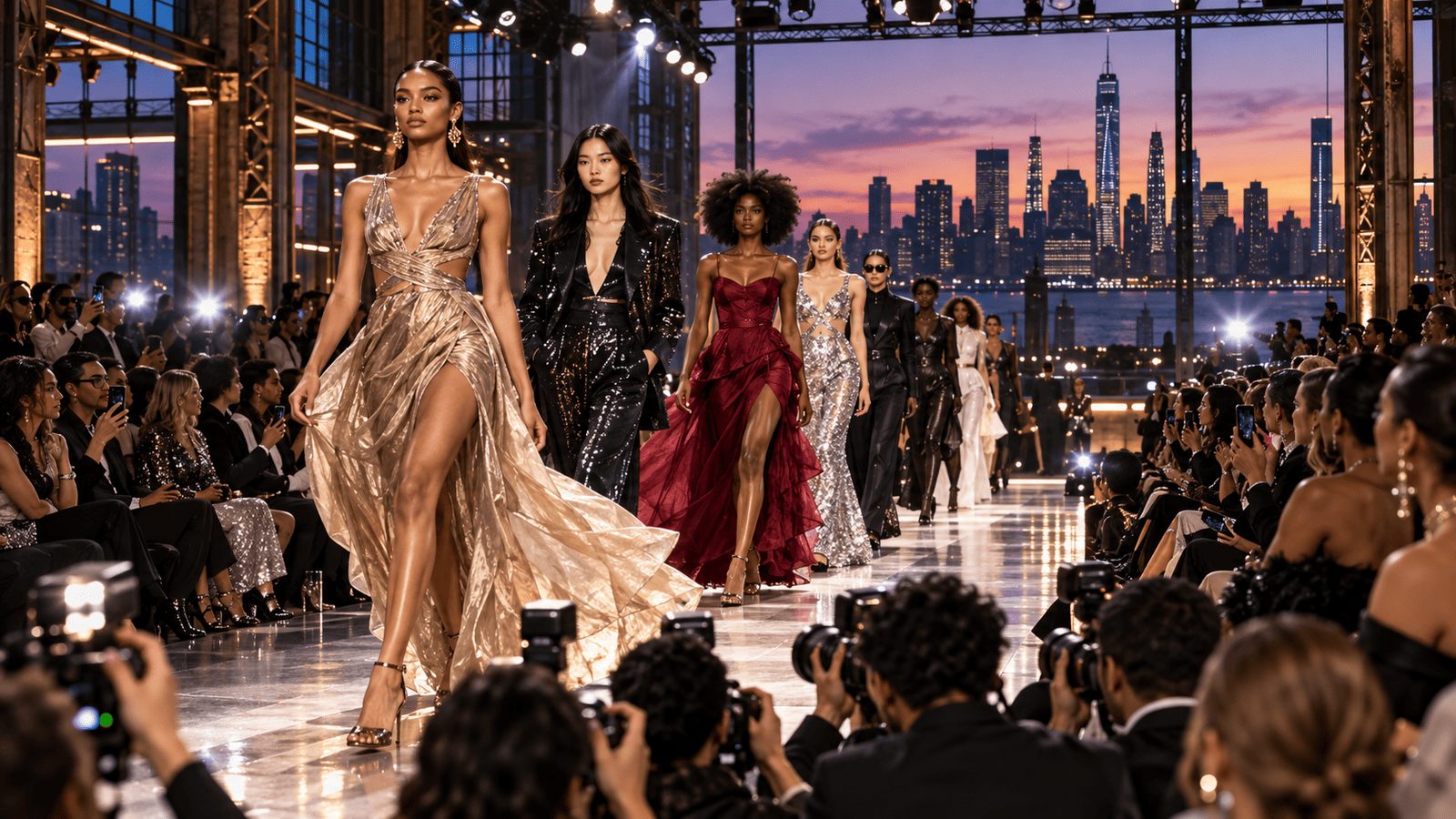
Fashion has always told you something about who holds cultural power. In 2026, the people setting the agenda in fashion — from the runways of Paris to the streets of Atlanta and Newark — are Black.
That is not a trend. It is a reckoning.
The Runway Is Catching Up to the Street
For decades, fashion institutions benefited from Black culture without compensating or crediting Black creators. The colors, the silhouettes, the references — elements that originated in Black neighborhoods, Black music, and Black creative expression — would cycle through luxury fashion with the origins stripped out.
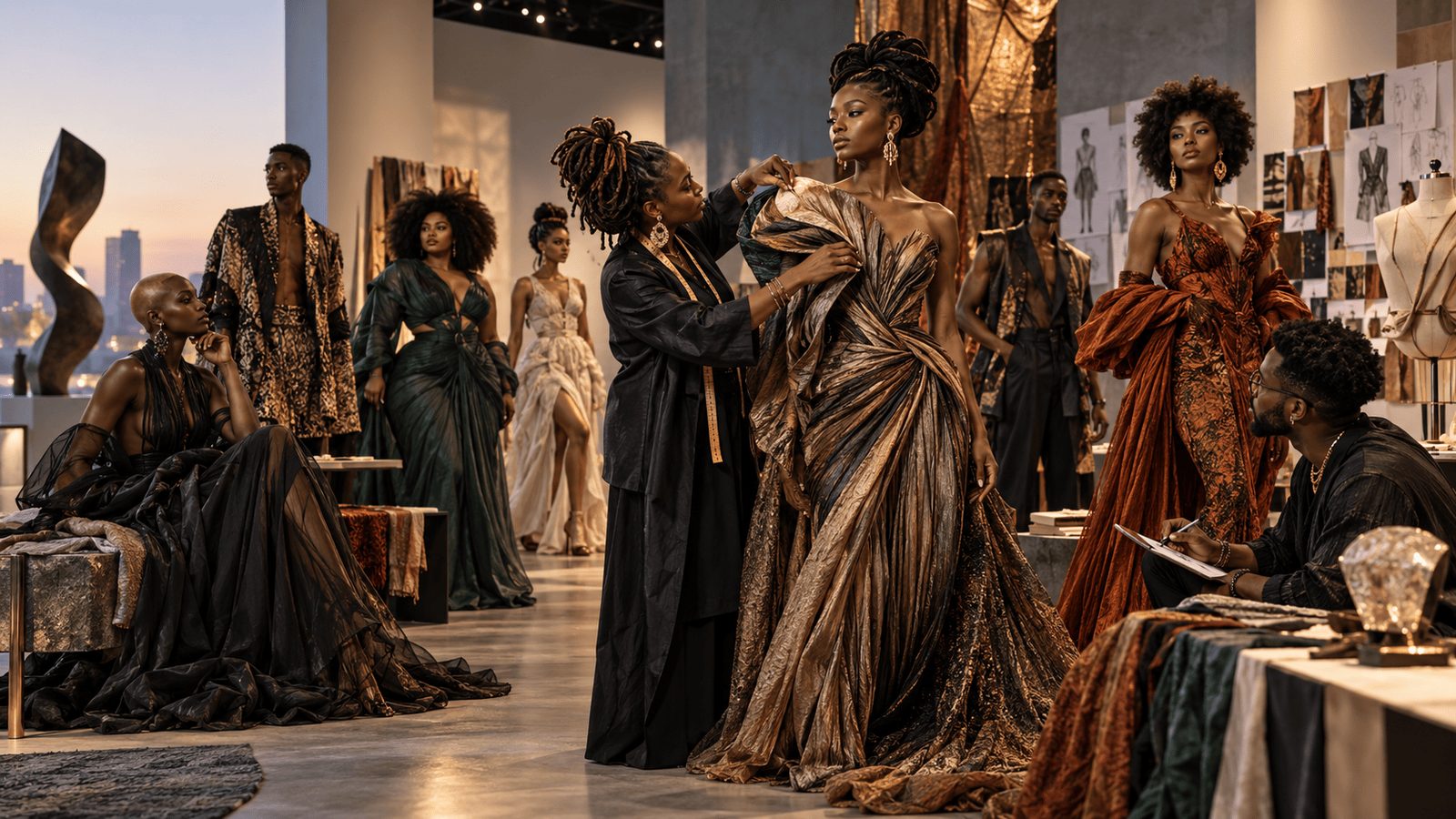
What is different now is that Black designers are in the rooms where the decisions are made, and they are making different decisions. The 2026 Denim Tears Fall/Winter collection — described as a powerful tribute weaving Black cultural history and luxury fashion — is one example of Black designers using the tools of high fashion to tell Black stories. Not interpreting them from the outside. Owning them.
Streetwear's Second Evolution
The first evolution of streetwear was about making it respectable to mainstream fashion. The second evolution — happening right now — is about taking it back.
Black designers like Freddie Estelle's Durrell Dupard are building brands that exist in the space between streetwear and luxury, refusing to choose between cultural authenticity and craftsmanship. The pieces command attention on red carpets and at community events alike, which is exactly the point.
The Modern Prep Belongs to Us Now
The preppy aesthetic's 2025-2026 renaissance is being rewritten by Black creatives. Ralph Lauren's Oak Bluffs collection, which paid homage to the Black families of Martha's Vineyard, and the way artists like Doechii have injected preppy silhouettes with vibrant, boundary-pushing energy — these are examples of a tradition being reclaimed and expanded.
The Business Side
Fashion is not just aesthetics. It is economics. Black fashion brands are building businesses that challenge the industry's historic underinvestment in Black creative ventures. They are doing it through community-supported launches, direct-to-consumer models, and cross-platform strategies that build audiences before they build collections.
The result is a new kind of fashion brand: one that does not depend on a department store's goodwill or a venture capitalist's timeline. One that belongs to the community that created it.
That is the most important fashion trend of 2026. Not a color, not a silhouette. Ownership.
Frequently Asked Questions
What is the most important thing to know about black fashion trends creatives designers to? This guide covers the key facts, practical information, and resources. See the full guide above for details.
Where can I find more information about this topic? Check the official sources linked throughout this guide for the most current information, and follow We Are Jersey at wajmagazine.com for ongoing New Jersey coverage.
Does this apply across all of New Jersey? Most information applies statewide. Notes are included where local variation by municipality or region is significant.