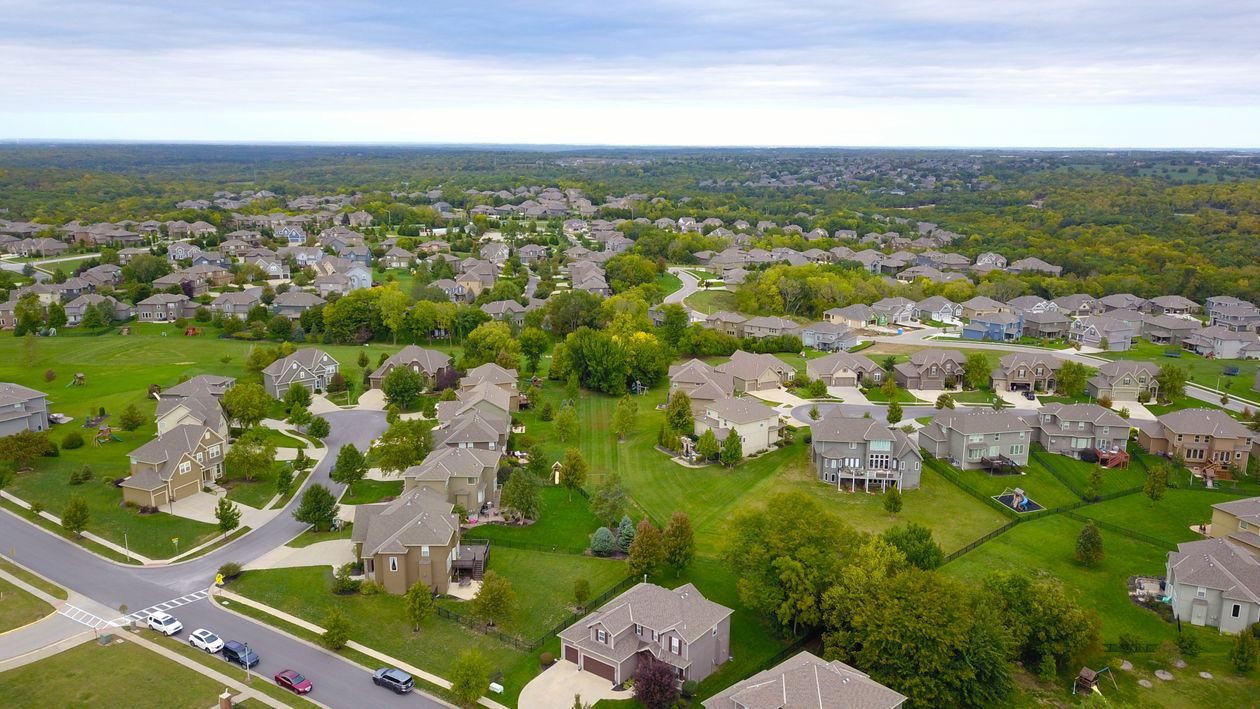
New Jersey has a reputation problem. The jokes have been around so long they've become background noise — and they obscure a state that is, for a lot of people, genuinely one of the best places to live in the country. If you're thinking about moving here, here's what you actually need to know.
The First Thing to Understand: New Jersey Is Not One Place
The single biggest misconception about New Jersey is that it's a single coherent place. It isn't. The state contains dense urban cities (Newark, Jersey City, Trenton, Camden, Paterson), affluent bedroom suburbs of New York City and Philadelphia, 130 miles of Atlantic coastline, farmland and forest in the central and southern portions of the state, and everything in between — compressed into a geography that you can drive across in about two hours. Where you live in New Jersey determines your daily experience of the state almost entirely. A person who lives in Hoboken and a person who lives in Cape May are technically residents of the same state; their actual lives have almost nothing in common.
The practical implication: when people say "New Jersey is expensive" or "New Jersey has terrible traffic" or "New Jersey is ugly," those statements describe specific parts of the state, not all of it. Research the specific municipality you're considering, not the state as a whole.
Property Taxes: The Thing You Must Know
New Jersey has the highest property taxes of any state in the country by median amount paid. This is not a minor detail — it is the most important financial fact about living in New Jersey and it varies significantly by municipality. Two towns 10 miles apart can have effective property tax rates that differ by hundreds of dollars per month on an equivalent house.
Before you fall in love with any New Jersey property, look up the current annual property tax bill — this information is public and searchable through your county assessor's website and through real estate listing sites. Factor it into your total housing cost calculation, not as an afterthought. A house that seems affordable based on purchase price can be significantly less affordable once its property tax burden is accounted for.
The upside: New Jersey's public school funding is heavily tied to property taxes, which means the communities with the highest property taxes generally have the highest-funded public school systems. If you have children, the correlation between property tax burden and school quality is strong and worth understanding before you choose a community.
Commuting: The Reality Check
New Jersey's proximity to New York City and Philadelphia is its most powerful advantage and also the source of its most significant quality-of-life challenge. If you are commuting to Manhattan from New Jersey, your experience will vary dramatically by your specific route:
The PATH train from Jersey City, Hoboken, and Newark connects directly to Midtown and Lower Manhattan and is the fastest and most reliable public transit option for New Jersey commuters. Living near a PATH station meaningfully improves commute quality relative to living near NJ Transit rail or bus connections.
NJ Transit rail connects communities across the state to Newark Penn Station and New York Penn Station. The system is extensive but has faced chronic delays and reliability issues that affect commuter experience. Check the specific line you'd be using and its on-time performance data before committing to a community based on its NJ Transit connection.
Driving to New York City from New Jersey — through the Holland or Lincoln Tunnels, or over the George Washington Bridge — means dealing with commuting congestion that is among the worst in the country. The $11 billion Lincoln Tunnel terminal expansion project, underway as of October 2026, will affect traffic patterns around the tunnel for several years. If your plan involves driving into Manhattan regularly, this deserves serious research.
The Best Places to Live in New Jersey
This is an impossible question to answer generally — the right place depends on your budget, your commute requirements, your family situation, and your lifestyle preferences. A few frameworks that help:
If you're coming from New York City and want to stay urban: Jersey City and Hoboken are the most direct cultural transitions — dense, walkable, restaurant-rich, and expensive in ways similar to Brooklyn. Newark is a more affordable alternative with a genuine cultural scene that is undergoing significant positive change.
If you want a suburban town with a real downtown: Montclair, South Orange, Maplewood, Summit, Westfield, Red Bank, and Haddonfield are among the most frequently cited for their combination of community character, walkable downtown, and commute access.
If you want more space and lower density: Morris, Hunterdon, Somerset, and Burlington Counties offer larger lots, better affordability relative to the NYC corridor, and a more rural character — at the cost of longer commutes and more car-dependence.
If you want the Shore year-round: Asbury Park has emerged as the most functional year-round Shore town. Red Bank is the best combination of Shore access and full-service community.
What New Jersey Gets Right
The food. New Jersey's food scene — across all cuisines — is genuinely exceptional, driven by one of the most diverse populations in the country. The Portuguese and Brazilian restaurants of Newark's Ironbound. The Indian restaurants of Edison. The diners everywhere. The pizza, the bagels, the Italian-American bakeries that have been in operation for generations. The growing chef-driven independent restaurant scene in Jersey City, Montclair, Asbury Park. You will eat well in New Jersey.
The schools, in many communities. The beaches. The parks. The proximity to both New York and Philadelphia. The cultural diversity — New Jersey is one of the most ethnically and racially diverse states in the country, and that shows in its communities, its food, its music, and its public life in ways that make it genuinely different from most American states.
Frequently Asked Questions
Is New Jersey expensive to live in? Costs vary significantly by municipality. The most expensive areas are in the NYC metro corridor (Hudson, Bergen, Essex Counties). Central and South Jersey are generally more affordable. Property taxes are high statewide — research the specific town you're considering, not the state average.
What do I need to do when I move to New Jersey? Update your driver's license at a DMV within 60 days of establishing residency (bring proof of address and identity). Register your vehicle in NJ. Register to vote at your new address. Update your address with the IRS and relevant financial institutions.
Is New Jersey a good place to raise a family? Many of New Jersey's suburban communities consistently rank among the best in the country for school quality and family amenities. The specific answer depends heavily on which community you're in — research the specific school district and community services in your target area.